

We're fair, approachable, and passionate about riding
We are a full service bike repair, parts, fit, rental, and sales shop. Family owned and operated, Big Sky Cycling has been keeping the Helena community riding into their next two wheel adventures since 1986.
Premium Products & Services
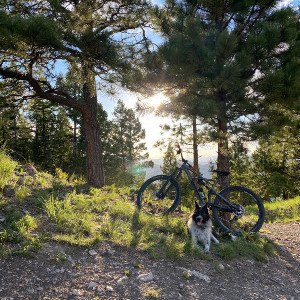
Bikes
We’ll get you out on the road or trail with our huge selection of Mountain, Road, Cyclocross, Hybrid, BMX, Gravel, E-bikes, and Youth Bikes. Don’t see what you’re looking for? Just give us a call.
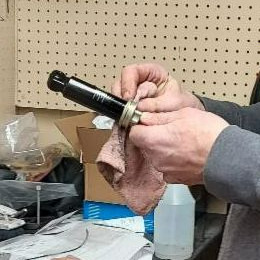
Bike Repair
Our professional and knowledgeable staff can handle everything from a basic tune up to complete rebuilds. We’ll get you back on your bike in no time.
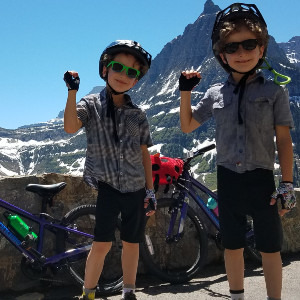
Bike Rental
Just visiting Helena or not quite ready to purchase that high-end dream bike yet? We offer a wide range of mountain, road, and fat bikes for full and half-day rental.
Hockey Gear
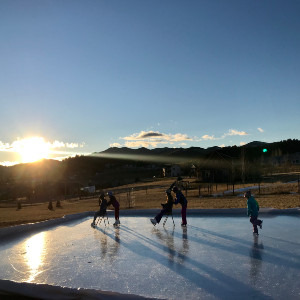
We carry one of Montana’s largest selections of hockey gear, including skates, sticks, protective gear, and accessories. Also feature Jackson figure skates for all abilities along with tights, bags, and blade covers.
Order Online. Pickup In-Store. Go Ride.
It’s fast. It’s easy. And it’s free! Simply find the bike or gear of your dreams online, and we’ll have it ready for you when you arrive. We’ll ensure a perfect fit for your riding needs and answer any questions you may have.
Bike Repair and Service Shop in Helena is Ready to Serve the Surrounding Area, Including Great Falls, Butte, and Beyond..
Get your bike fixed quickly with expert bike repair services. Big Sky Cycling is your source for new and used bikes, bike repairs, and bike parts in central Montana! We are located in Helena, MT but just a quick drive from Great Falls, Butte and other communities. We also offer bike rentals and access to one of the largest selections of hockey gear in the state. Browse our inventory, order online, and pick up your items at our store.
Bikes for Riders of All Ages and Terrain
Whether you need a mountain bike, a kid's bike, or anything in between, we have you covered. Choose from a wide range of bicycles suited for all types of environments and age groups. We have mountain, gravel, road, urban, cruiser, fitness, hybrid, children’s, BMX, and other types of bikes available.
We are also a top destination for anyone wanting an electric bike. An E-bike, from a commuter to a mountain bike, is an efficient solution for getting around town and having fun.
Browse all of our bikes online, then visit us in person at 801 N Last Chance Gulch, Helena, MT.
Ready to Visit the Top Bike Dealer in Central Montana? We are Worth the Drive.
Big Sky Cycling has served the region since 1986. We have close to four decades of experience repairing and selling bicycles.
Discover the advantages of buying from us:
- Order online, free store pickup
- Consults are always free
- Wide selection of bicycles
- Friendly, professional staff
We offer reliable bike repairs and sales for the Helena, Great Falls, and Butte, MT communities, and beyond. You can depend on us for expert service and affordable prices. Contact us for more details.
Proudly Stocking



Get In Touch
We're here to answer all of your cycling-related questions. Stop by or give us a call today!